

By Pearl Matibe in Washington, D.C.
“DRC (Democratic Republic of Congo) must be at the center of everything being done on these agreements,” said DRC’s Presidential Spokesperson Tina Salama, in Washington, a day before the signing of the peace and economic agreements, brokered by President Donald Trump.
The Congolese and American flags flanking the podium against the muted elegance of a Washington hotel; a reminder that frontline wars are often negotiated far from the communities that carry the heaviest burdens.
The government representatives were not on a victory lap at the background briefing; it felt more like a high-stakes status update from a government that knows the ground realities in North and South Kivu can outpace communiqués overnight.
“First, Rwanda needs to withdraw its troops,” the DRC government representatives said.
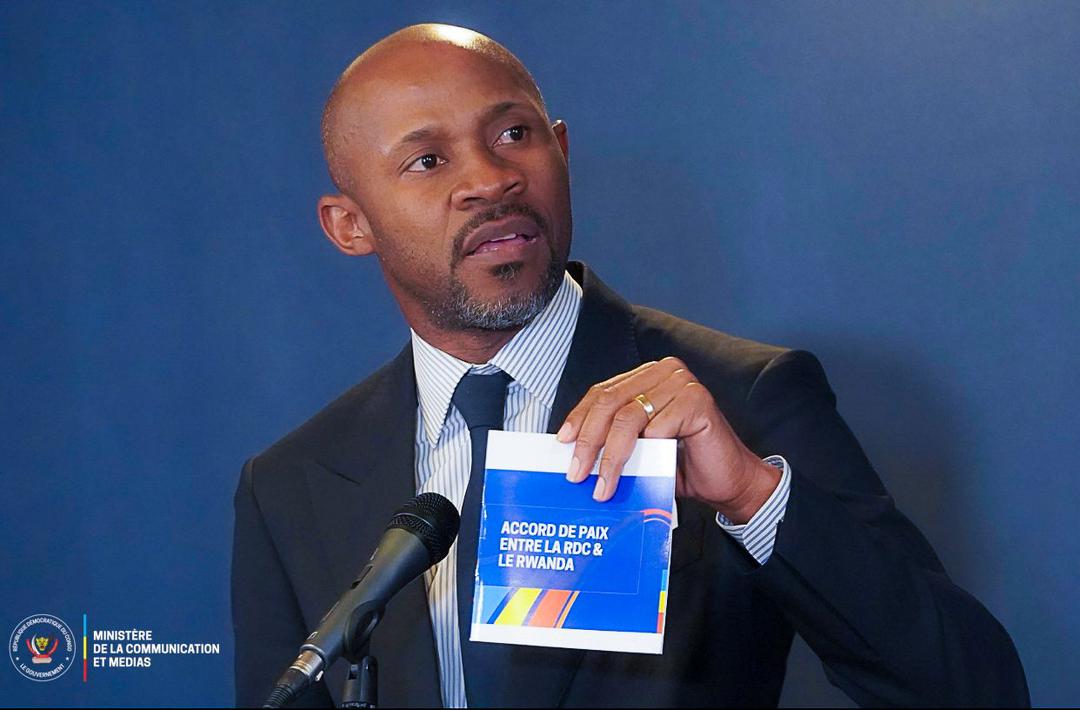
DRC Minister of Communication, Patrick Muyaya, explained that for over three decades, eastern Congo has suffered from endless fighting. The pillaging of its vast mineral riches—coltan, gold, cobalt—that the world depends on for everything from smartphones to electric cars, has been widely reported. But despite this wealth below the ground, local communities have been trapped in cycles of violence, poverty, and displacement.
That is why this week is so important.
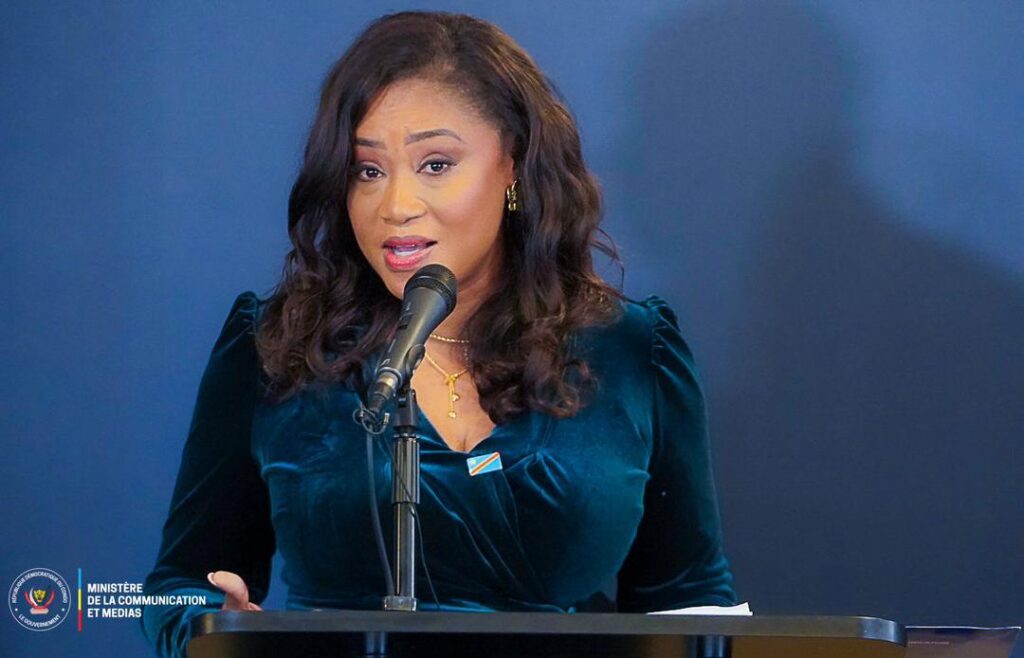
“Without peace there’s no investment,” Salama said.
On 3 December, at a press briefing held in a Washington, D.C. hotel, Democratic Republic of the Congo Minister of Communication Patrick Muyaya and Presidential Spokesperson Tina Salama laid out Kinshasa’s urgent priorities ahead of the historic peace and economic agreements signed on 4 December in Washington.
The message from the officials was clear and bold: Without peace, there is no investment. Without peace, nothing moves forward. First comes peace — then economic integration and opportunity for all.
The cycle of violence must end. Armed groups fuel chaos, often backed by foreign powers, especially Rwanda, whose troops must first withdraw to create space for real peace. Congo governments and people must regain control over their natural resources — to restore sovereignty and stop the long-standing illicit exploitation that drains wealth from the country and fuels conflict.
This is not just about signing papers. It’s about Congo being at the center of everything, with strong international arrangements that hold all parties accountable. Congo’s security and development depend on it. Allies who profit from conflict must be cut off, and illegal activities must be stopped for good.
Peace does not guarantee prosperity overnight, but it is the starting point—the essential foundation. Only once guns are silent can communities rebuild, investors return with jobs and projects, and the Great Lakes region find stability.
This moment offers hope. But it will require courage and commitment, especially from Congo’s leaders and neighbors. As the world watches, Congo’s people deserve agreements that deliver peace, restore control of their land and resources, and open the door to a future where everyone prospers.
Peace first, then progress. The future begins now.
Pearl Matibe is a Washington, D.C.-based geopolitical analyst and correspondent covering Congress, the Pentagon, State Department, and White House, with expertise in foreign and defence policy. Follow her on Twitter: @PearlMatibe.