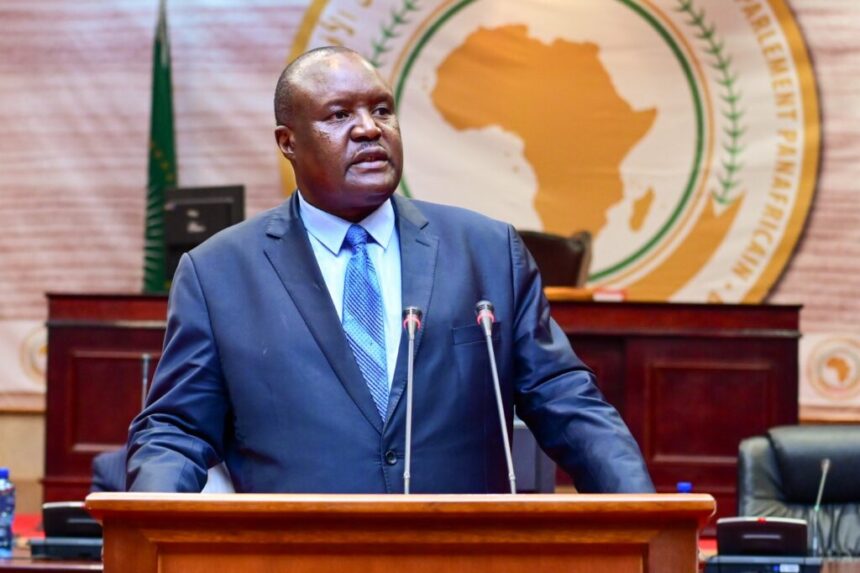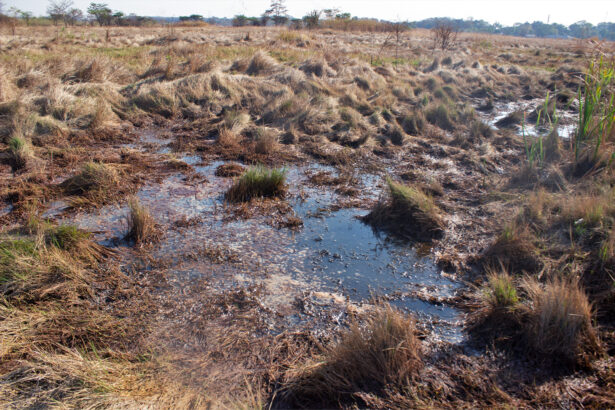
By Correspondent Parliament has been challenged to close critical gaps in climate financing after community leaders from Chipinge and Chimanimani presented evidence of resilience efforts that are working on the ground but remain fragile without stronger national funding and policy support. The meeting, convened by Green Governance Zimbabwe in Harare on Thursday, brought together the Parliamentary Portfolio Committee on Environment, Climate and Wildlife, civil society representatives, community leaders and development partners, aiming to feed community-level evidence into national policy and budget processes. Councils Call for "Real" Funding Chimanimani Rural District Council Chief Executive Officer Nehemia Deure appealed to legislators to back disaster mitigation through policies that guarantee funding. He noted that disasters are now far more frequent, making preparedness, and the funding behind it, essential. "When you are doing policy formulation, consider funding to support Disaster Risk Reduction, so that when disasters come, there should be mitigatory measures. "EMA and civil protection departments on the ground who support people during natural disasters like cyclones require funding, and that funding has to be real," Deure said. Climate Change, A Lived Reality Delivering remarks at the meeting, Parliamentary Committee on Environment, Climate and Wildlife Chairperson Senator Prisca Mupfumira said Zimbabwe's climate crisis was no longer a distant threat but a lived reality for rural communities. "Zimbabwe's climate story is no longer one of distant projections. "It is written in the droughts, floods and cyclones that our rural communities live through year after year," she said. While commending Chimanimani and Chipinge communities for taking early action on resilience, Mupfumira said local efforts alone were not enough without stronger national policy backing. She added that Parliament had the power "to institutionalize these local gains, to close the climate financing gap, and to ensure that what has worked in Chipinge and Chimanimani is scaled across the country." Plans "On Paper" Without Financing Delivering the keynote address, Dr Selina Pasirayi, Country Director for ActionAid Zimbabwe, commended the Chimanimani and Chipinge Rural District Councils. She hailed them for their commitment to progressively raise climate-related budget allocations from 5 to 8 percent. However, Pasirayi cautioned that commitments without adequate financing would not translate into real resilience. "A disaster risk reduction plan that is not adequately financed remains a plan on paper," she said. …
By Takura Zhangazha* The Second Reading of Constitutional Amendment Bill Number 3 happened on Wednesday,…
By Vivid Gwede Events are moving so fast in Zimbabwe that we might be on…
Sign in to your account