

By Correspondent
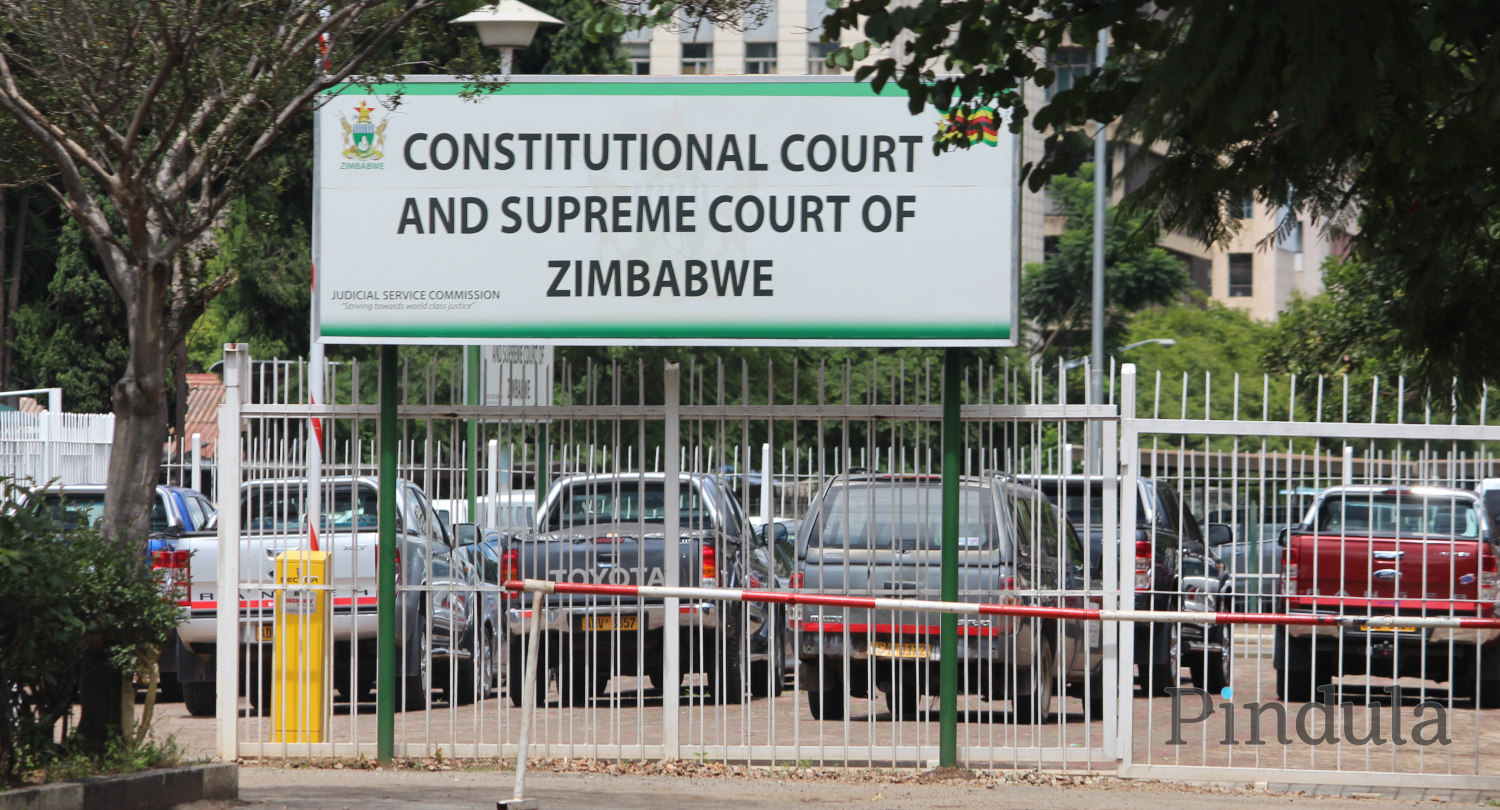
A National Constitutional Assembly (NCA) member has approached the Constitutional Court seeking to have the recently enacted Constitution of Zimbabwe Amendment (No. 3) Act, 2026 declared unconstitutional.
He argues that Parliament and President Emmerson Mnangagwa enacted a law that was materially different from the Constitutional Amendment Bill that was subjected to public scrutiny and parliamentary debate.
Vhurande Mahlupeko, is represented by constitutional law expert Professor Lovemore Madhuku of Lovemore Madhuku Lawyers.
He filed the application in terms of Section 167(2)(d) of the Constitution, seeking an order declaring the amendment invalid and of no force or effect.
Violation of Process
In his application, Mahlupeko argues that the Constitution was amended through a process that violated the requirements of Section 328 of the Constitution.
The section prescribes how constitutional amendments must be made.
He contends that the legislation eventually signed into law by President Mnangagwa was substantially different from the Bill that was gazetted, debated by Parliament and subjected to public consultations.
According to the application, “the Bill as passed contained several amendments of provisions of the Constitution that were not included in the Constitutional Bill gazetted by the Speaker of the National Assembly on 16 February 2026.
“Mahlupeko argues that because these amendments never formed part of the original Bill, Zimbabweans were denied an opportunity to scrutinise and comment on them during the public consultation process.
Among the provisions being challenged is a clause replacing direct presidential elections with an electoral system in which the President would be elected by Members of Parliament.
Mahlupeko says the amendment fundamentally alters Zimbabwe’s democratic system.
He argues that it “takes away the right of every citizen to vote directly” for the President.
Sweeping Changes
The application also challenges provisions extending the terms of office of the President and Parliament from five years to seven years.
According to the court papers, the amendment “amended term-limit provisions… by increasing the length of the respective terms of office from five to seven years.
“At the same time permitting incumbents to benefit from the amendments.”
Mahlupeko further argues that the enacted law transfers voter registration and maintenance of the voters’ roll from the Zimbabwe Electoral Commission (ZEC) to the Registrar-General.
It also creates a Delimitation Commission to assume electoral boundary functions currently performed by ZEC.
Expansion of the Senate by allowing the President to appoint ten additional senators is another change.
Meanwhile CAE also repeals the National Peace and Reconciliation Commission and introduces changes affecting the judiciary, including the appointment of judges and the jurisdiction of the Constitutional Court.
The application contends that these are not minor adjustments.
Instead, it says these are sweeping constitutional reforms that required fresh parliamentary debate and public participation before they could lawfully be enacted.
Mahlupeko is therefore asking the Constitutional Court to declare the CA Act No3 unconstitutional and to be set aside.
The respondents are Parliament of Zimbabwe, President Emmerson Mnangagwa, Attorney General Virginia Mabhiza and Justice and Paliamentary Affairs Minister Ziyambi Ziyamb.
They have 21 days to respond to Mahlupeko’s application.
———————————————————————————————————
Love what we do?
We’re dedicated to opening up democracy, one article, video and story at a time. If you find our reporting helpful, you can support the Magamba Network team by buying us a coffee. It’s quick, easy, and makes a real difference!
————————————————————————————————————


