

By Andrew Muvishi
A carbon credit deal between Zimbabwe and a Dubai-based company has raised concerns that foreign investors could benefit more than local communities.
This is despite promises of conservation and economic growth.
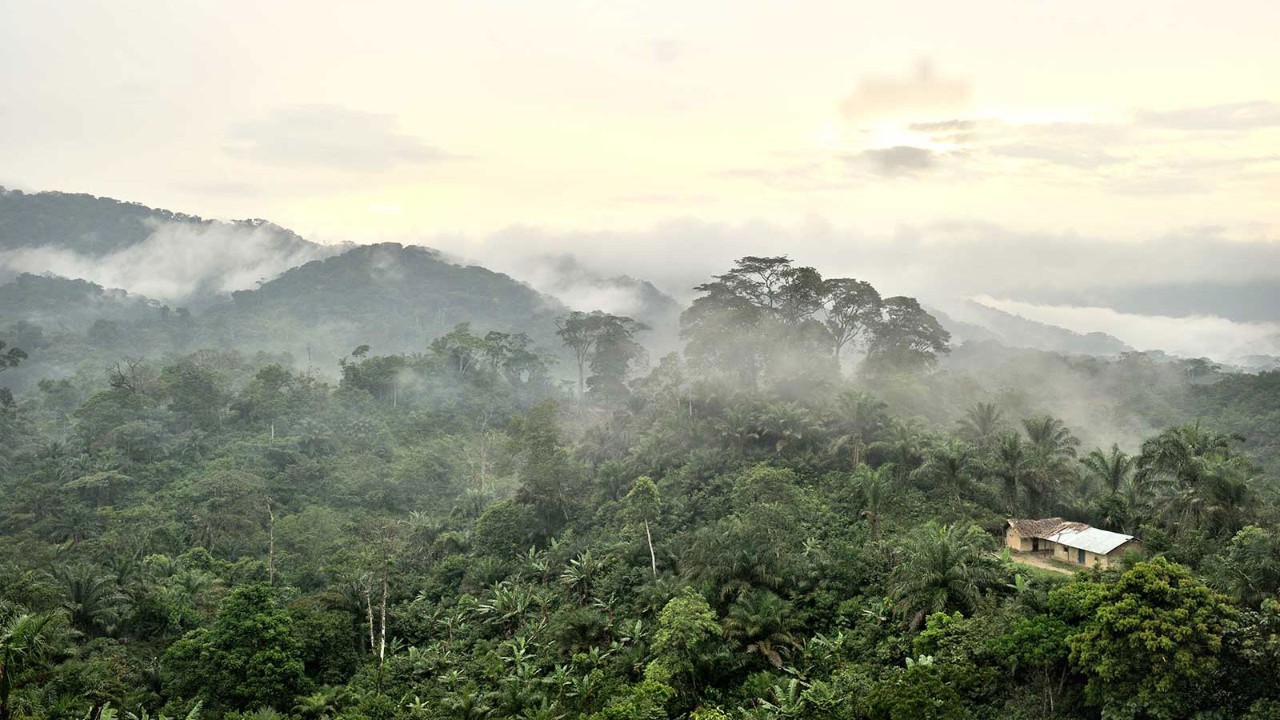
On 29 September, Zimbabwe granted Blue Carbon General Trading conservation rights over 7.5 million hectares of forest.
This translates to nearly 20% of the country’s land, under a deal reportedly worth US$1.5 billion.
The company will run forest preservation projects and sell carbon credits on international markets.
Under the agreement a shocking 70% of revenue will go to the UAE firm.
Meanwhile a paltry 30% will go the Government, with 55% of that share meant for communities.
Shady Arrangement
However, details on how communities will benefit remain unclear.
Neither the company nor the Environment Ministry has publicly explained how funds will be distributed.
According to Sydney Chisi, an environmental activist at Reyna Trust, the deal lacks transparency.
“Why should a foreign investor take 70% when communities have protected these forests for generations?” queried Chisi.
Worse-off, it may even repeat past failures.
New Path
Earlier this year, Zimbabwe canceled all carbon projects.
This followed revelations that millions meant for communities under the Kariba Carbon Project could not be traced.
The COP28 report revealed rampant misuse of the deals in Africa.
It detailed how some countries technically trade A6.2 credits while circumventing crucial review and transparency processes.
“This has resulted in the announcement of large-scale deals that potentially lack integrity and do not disclose their methodologies,” it says.
Doubts On Efficacy
Some experts have also questioned whether carbon offsetting actually reduces emissions.
International investigations have found many forest carbon credits to be ineffective.
Meanwhile, Zimbabwe continues to lose forests at an estimated 262,000 hectares per year.
This is driven by tobacco farming, firewood use, and charcoal trading.
Forestry Commission spokesperson Violet Makoto says deforestation is linked to poverty, energy shortages, and livelihoods.
She has warned that there is no silver bullet to the challenge.
Zimbabwe has long been plundered for its resources, with coal mining swallowing vast tracts of land and displacing thousands.
A 2019 report by a local watchdog found that mining projects would displace at least 30,000 families within 5 years.
In 2010, diamond mining in Marange saw thousands of people forcibly relocated to a deserted government farm without compensation.
As carbon markets expand across Africa, critics warn that without transparency and community involvement, such deals risk becoming profit schemes for investors rather than solutions for climate change and local development.
A freelance journalist based in Harare Cyril Zenda notes that tens of millions of dollars intended for local communities failed to reach them.
“A recent investigation into Zimbabwe’s Kariba mega-project one of the largest carbon offsetting schemes in the world found that the company behind it, South Pole, could not be sure that tens of millions of dollars intended for local communities had ever reached them.
It was this exposé that prompted the Zimbabwean government to void all carbon offsetting schemes and change its policy,” said Zenda.