
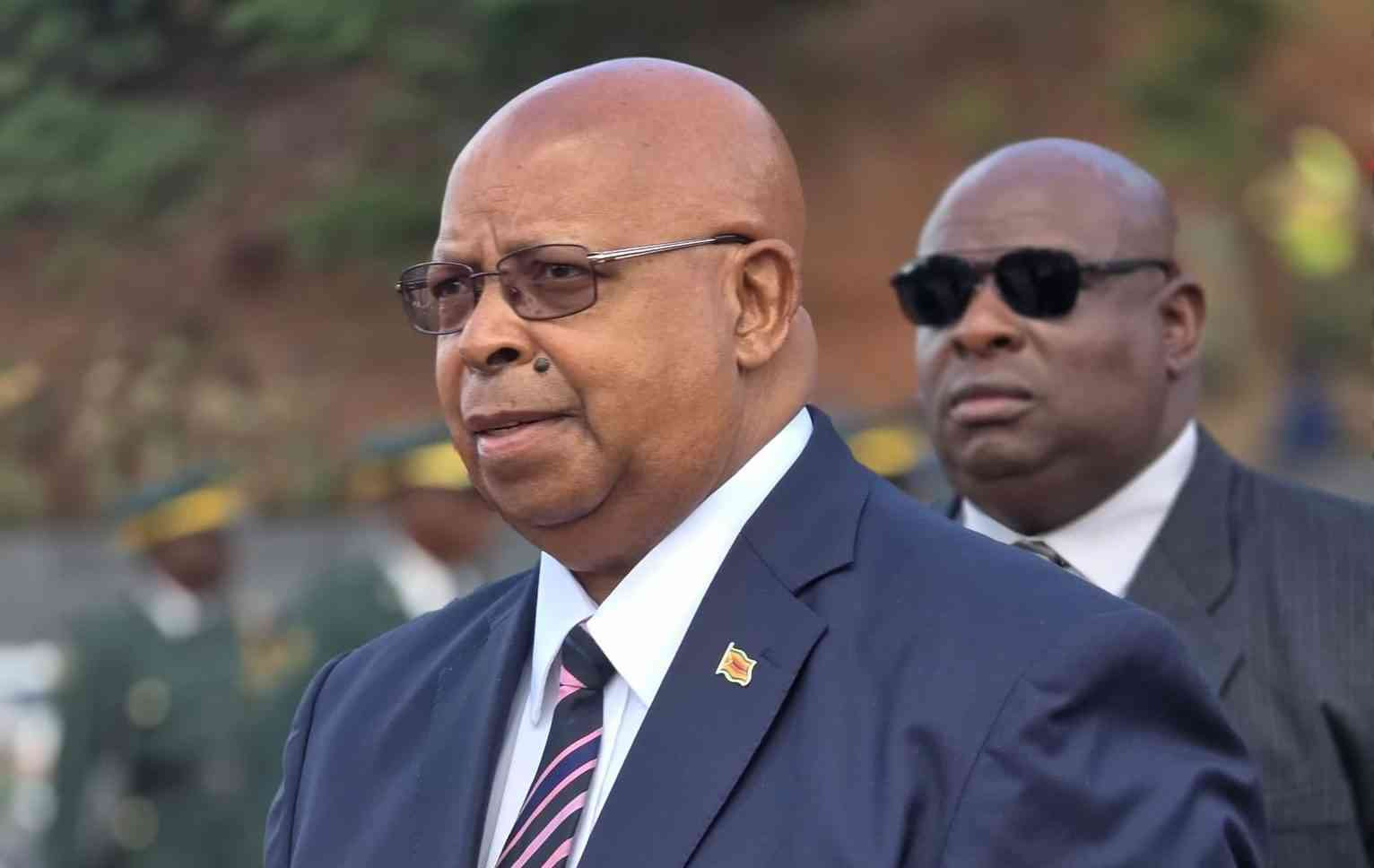

The recent visit to UK’s House of Commons by a Parliamentary delegation led by Speaker Jacob Mudenda has signalled the latest massive change in relations between the two countries.
The visit was more than protocol but politics, performed in the oldest language of the British state: parliamentary recognition.
For 26 years, Zimbabwe’s relationship with Westminster has been defined by rupture which has seen sanctions, walkouts, megaphone diplomacy, and the bruising memory of the Fast-Track Land Reform.
The last time Zimbabwe was this close to the Commons, it was as a subject of debate, not a guest in the Speaker’s Gallery.
From Executive Isolation to Parliamentary Diplomacy
President Mnangagwa’s re-engagement policy has largely been an Executive affair characterised by meetings with diplomats, investor roadshows and UNGA handshakes.
It has yielded incremental thaws but also easy reversals, because Executive relations are transactional and hostage to electoral headlines.
Meanwhile, Parliamentary diplomacy is different as it is institutional and harder to cancel.
When Speaker Sir Lindsay Hoyle invites Mudenda he is extending recognition to an institution, not an administration.
While you can sanction a government; you cannot easily un-invite a Parliament that seats both ZANU PF and CCC in the same delegation.
The composition of the delegation was also telling. Three ZANU PF MPs – Webster Shamu, Mercy Mugomo, Noah Mangondo – and two from the opposition CCC – Vivian Chitimbe and Concilia Chinanzvavana.
The Commonwealth Cipher
No one in Whitehall will say it outright, but Westminster is the antechamber to the Commonwealth which Zimbabwe left in 2003.
Itapplied to return in 2018 but that application has sat in limbo, caught between UK reservations over electoral reforms and Harare’s frustration at what it sees as moving goalposts.
Mudenda’s itinerary is instructive as it includes meetings with the British Group of the Inter-Parliamentary Union, the Commonwealth Parliamentary Association UK Executive, the Foreign Affairs Committee chaired by Dame Emily Thornberry, and Minister for Africa Kirsty McNeill.
Such an itinerary is not tourism but is the plumbing for a Commonwealth return.
Britain alone cannot readmit Zimbabwe as it needs consensus but it can stop blocking the re-entry.
The Dividend for Both Houses
For Mudenda, the significance is gravitas as the longest-serving Speaker in SADC, chair of SADC-PF’s strategic lobby for a regional parliament, and architect of Zimbabwe’s Parliamentary Training Academy.
In Westminster, being feted in the State Dining Room alongside Mother of the House Diane Abbott it reframes him as a regional statesman.
It strengthens his hand to push institutional reforms – stronger committee oversight, better legislative drafting, AI and technology transfer, which was explicitly on the agenda.
For the UK, the significance is equally pragmatic.
With Gillian Lever, the new Ambassador to Harare, tasked with people-to-people and trade ties, London needs a functional interlocutor that is not State House.
Parliament has just become that player.
With Zimbabwe endowed with lithium, a diaspora of 150,000+ in the UK including the only Zimbabwean-heritage MP Adam Jogee who was on the guest list, and a strategic position in an Africa increasingly courted by Russia and China, re-engaging via Parliament allows London to hedge without endorsing.
The Uncomfortable Truth
However, the situation still appears a long way from the cordial relations of the past before the Commonwealth exit and Land Reform.
The same reports that welcomed Mudenda in London this week noted that the UK’s thaw with Harare is still conditional; governance, constitutionalism, and electoral credibility.
While Parliamentary diplomacy can launder image it cannot legislate legitimacy.
So the real test is not whether Mudenda was photographed in Westminster Hall but whether the institutional practices he observed travel back with him to Mount Hampden.
If they do, then the Carriage Gates were not just opened for a day but for a direction.
If not, then this was exquisite protocol – and protocol alone.
——————————————————————————————————–
Love what we do? We’re dedicated to opening up democracy, one article, video and story at a time. If you find our reporting helpful, you can support the Magamba Network team by buying us a coffee. It’s quick, easy, and makes a real difference!
———————————————————————————————————-