
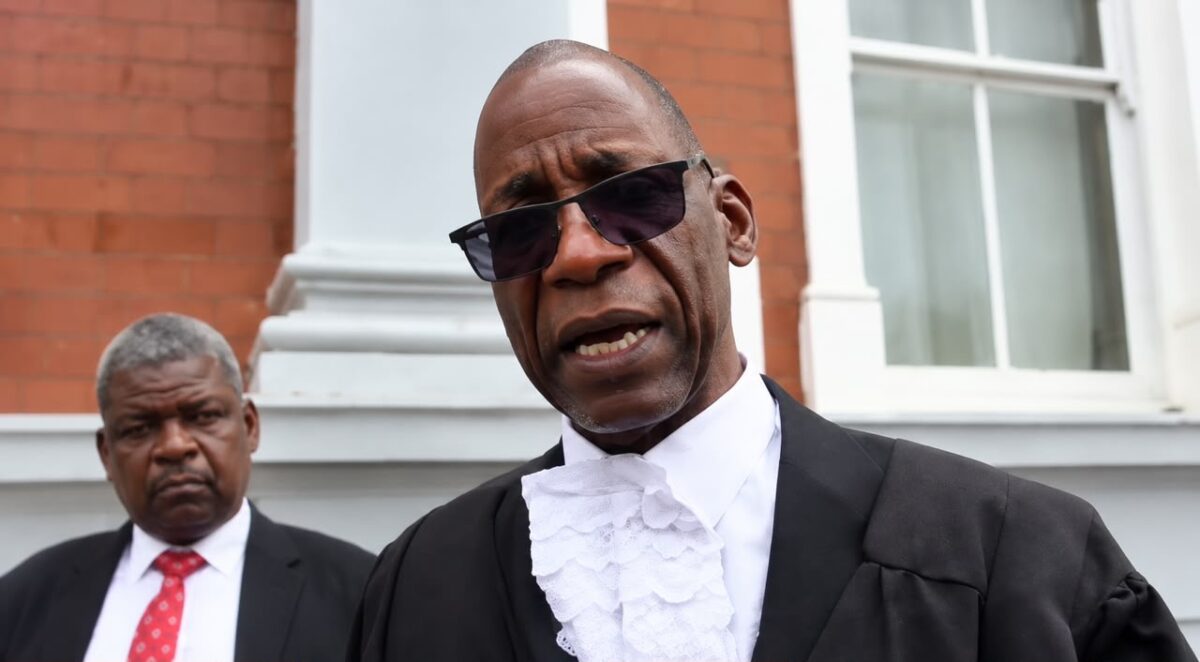

In the context of the ongoing legal battle over Constitution Amendment Act No. 3 (CAA3), the Constitutional Court’s decision to reserve judgment is a pivotal moment.
While it may feel like a delay, it is a standard and significant part of the judicial process for cases of this magnitude.
Here is an explanation of what a reserved judgment means and why it matters for the future of Zimbabwe’s legal landscape.
What is a Reserved Judgment?
A reserved judgment occurs when a judge or a bench of justices finishes hearing all legal arguments but does not deliver a verdict immediately.
Instead, the court takes time to review the evidence, research the law, and deliberate on the complexities of the case before issuing a written ruling at a later date.
In the CAA3 case, the justices have listened to the arguments presented by legal teams and have now retreated to consider their final decision.
Why Judgments are Reserved in Constitutional Cases
Constitutional matters, particularly those involving Section 328 (which governs how the Constitution is amended), are among the most sensitive cases a court can hear.
The court reserves judgment for several reasons:
Complexity of the Law
The arguments regarding CAA3 involve the fundamental structure of the judiciary and the limits of political power.
The justices must ensure their ruling is legally sound and consistent with the spirit of the 2013 Constitution.
Writing the Opinion:
Constitutional Court rulings serve as “case law,” meaning they set a precedent for all future cases.
The written judgment must be detailed, addressing every legal point raised by both the applicants and the government.
Deliberation:
In a multi-justice bench, the judges must discuss the case among themselves to reach a consensus or to write dissenting opinions if they disagree.
The Context of CAA3
The wait for this judgment is particularly tense because of the nature of the amendment.
As Professor Madhuku argued, Section 328 was designed to “protect the Constitution from politicians who would manipulate it to remain in power.”
Because CAA3 affects the retirement age of the Chief Justice and the appointment process for senior judges, the ruling will determine:
Whether the amendment process followed the strict requirements of the law.
The independence and future structure of the Zimbabwean judiciary.
Whether the executive branch overstepped its bounds in altering the supreme law.
What Happens Next?
Until the court announces a date to deliver the judgment, the status of CAA3 remains as it is: it is currently law, but its validity hangs in the balance.
The eventual ruling will be a landmark decision that will define the strength of Zimbabwe’s democratic safeguards for years to come.
———————————————————————————————————
Love what we do? We’re dedicated to opening up democracy, one article, video and story at a time. If you find our reporting helpful, you can support the Magamba Network team by buying us a coffee. It’s quick, easy, and makes a real difference!
———————————————————————————————————