

By Andrew Muvishi
Poor turnout by citizens blighted public consultations for the Whistle-Blowers and Witness Protection Bill.
The Bill is designed to shield citizens who dare to expose corruption, bribery, fraud, abuse of office, and misuse of public resources.
It lays down safeguards against reprisals and protects whistleblowers from occupational harm.
This is more than just a legal framework, as it represents a bold attempt to empower ordinary Zimbabweans against political and institutional abuse.
This is a direct response to one of the country’s most pressing governance challenges.
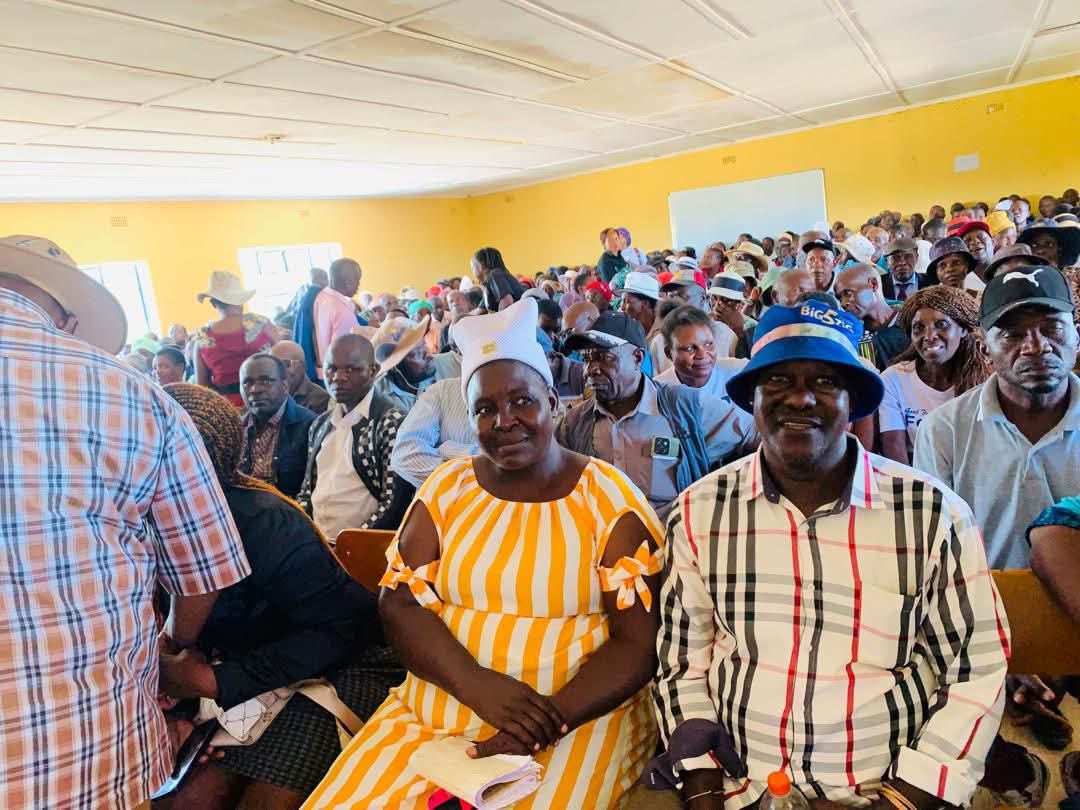
However, despite its significance, hearings on the Bill have drawn disappointingly low turnouts, including in Marondera.
Chairperson of the Parliamentary Portfolio Committee on Justice, Legal and Parliamentary Affairs Eddison Zvobgo (Jr) bemoaned this.
Zvobgo attributed the poor numbers to poor publicity.
“We cannot expect citizens to participate meaningfully if they are not adequately informed.
“The turnout has been disappointing, and this is largely because publicity around the Bill has been minimal,” he said.
Stark Contrast With CAB3
The contrast with Constitutional Amendment Bill No. 3 (CAB3) is striking.
When CAB3 went before the public earlier this year, mobilisation was impossible to miss.
There were billboards, flyers, buses transporting supporters, and extensive social media campaigns.
Citizens were even ferried from rural areas to swell attendance.
CAB3 demonstrated how effectively Zimbabwe’s political machinery can mobilise when political power is at stake.
The absence of similar effort for whistleblower protection suggests selective mobilisation.